
Healing Neurodegenerative Disease & Brain Injury
Five Discovery
Harnessing neuroplastogen biology to develop a new class of non-hallucinogenic small molecules that repair the root circuit dysfunction driving brain degeneration and injury
Pioneering a small-molecule approach to
Regenerative Neurology
We are developing non-hallucinogenic neuroplastogen therapeutics inspired by the mechanisms of 5-MeO-DMT to restore and stabilize dysfunctional neural circuits underlying neurodegeneration and brain injury.
Our approach is positioned within the emerging field of Regenerative Neurology, where we are pioneering a small-molecule strategy focused on durable brain circuit repair rather than symptom management.
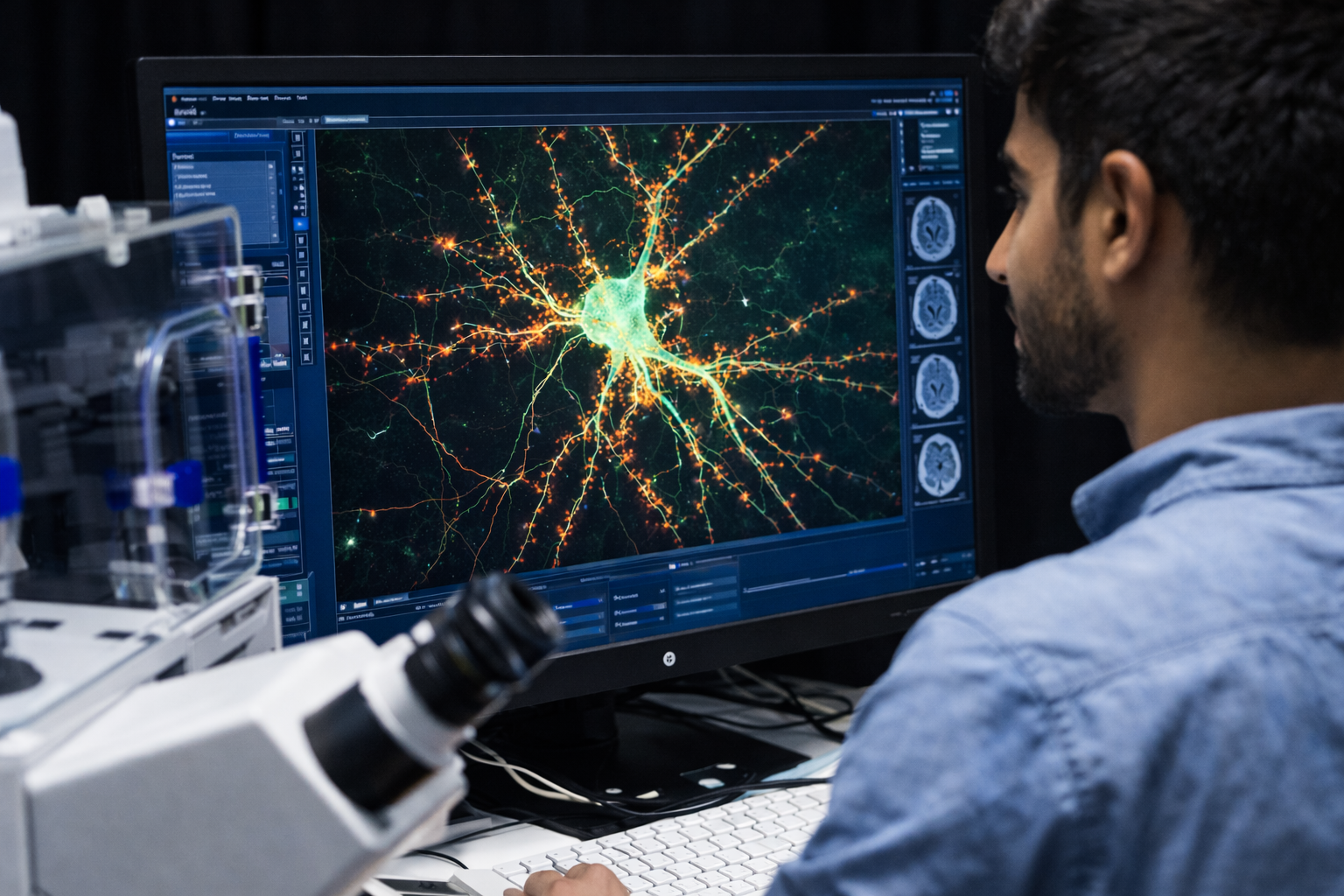
Neurodegenerative conditions such as Parkinson’s disease, Alzheimer’s disease, and traumatic brain injury are all driven by a core set of biological features: brain circuit dysfunction, maladaptive neuroplasticity, and neuroinflammation.
By addressing this shared biology, our small-molecule regenerative approach is designed to deliver durable therapeutic benefit across these conditions and beyond.
The shared biology of
Neurodegenerative Disease

Repairing Brain Circuits For Lasting Change
Our Approach

Grounded in validated rapid-acting serotonergic mechanisms, our small-molecule neuroplastogens are designed to restore and stabilize dysfunctional neural circuits.
More specifically, our molecules are engineered to:
Promote durable neural plasticity
Restore dysfunctional brain circuits
Reduce neuroinflammation
Rebalance dysfunctional serotonin–dopamine signaling
Together, these mechanisms enable durable circuit stabilization and form the foundation of our regenerative approach to neurodegeneration and brain injury.
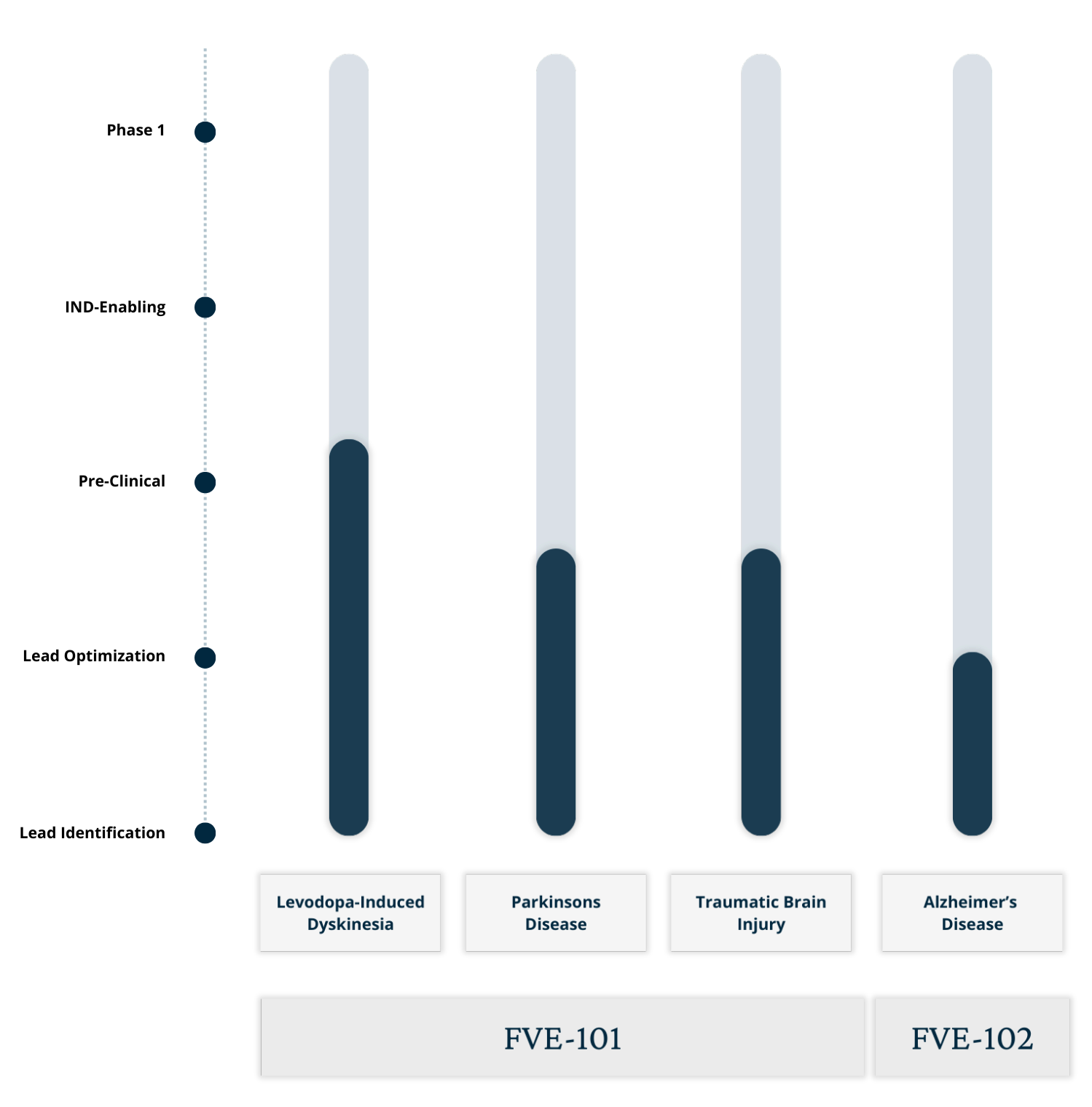
Explore our development roadmap and therapeutic focus areas.
Our Roadmap
Our Team

-
Dr. Manesh Girn is a neuroscientist specializing in the neural mechanisms of rapid-acting serotonergic therapeutics. His research has focused on how psychedelic compounds modulate brain network dynamics, functional plasticity, and neurocognitive function – work that directly informs Five Discovery’s regenerative neurology strategy.
Dr. Girn completed his postdoctoral fellowship at the University of California, San Francisco, where he worked with psychedelic research pioneer, Dr. Robin Carhart-Harris, to investigate the systems-level neural mechanisms underlying psychedelic pharmacology and therapeutic response. He has authored over thirty peer-reviewed publications on topics including psychedelics, brain network dynamics, and cognitive function, including in Nature Medicine, Proceedings of the National Academy of Sciences, Brain, and Trends in Cognitive Sciences.
In addition to his academic work, Dr. Girn spent four years in executive leadership at Enthotech Bioscience, where he served as Chief Research Officer. In that role, he advised on IP strategy, led clinical trial protocol design, oversaw preparation of regulatory and research documentation, and evaluated technologies and interventions for clinical deployment. Dr. Girn has also served as a scientific consultant to several companies developing psychedelic or psychedelic-inspired therapeutics, advising on mechanism-driven strategy, clinical research design, and narrative positioning.
-
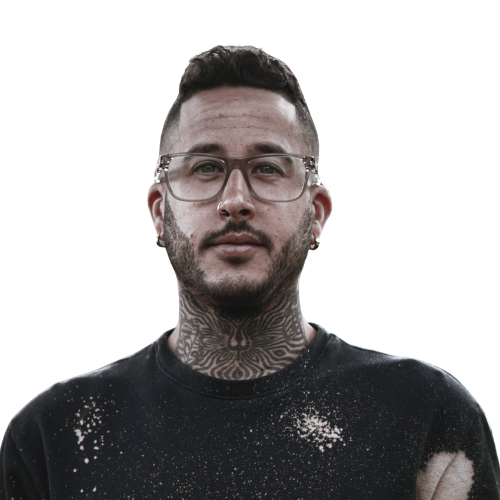
Joel Brierre is the co-founder and CEO of FIVE, a training, research, & public education company dedicated to unlocking the full potential of 5-MeO-DMT, the world's most powerful psychedelic.
FIVE is a team of leading psychedelic innovators, building world-class training and advancing groundbreaking research with the industries top university researchers, including the first official EEG study of the 5-MeO peak experience.
Joel is also the founder of the Tandava Institute in Tepoztlán, Mexico, a first of it's kind centre that has facilitated thousands of experiences, collecting Real-World Evidence Data through multi-day retreats to further inform the quality of education, training, best practices and safety protocols in the industry.

-
Cory Firth is a human-impact communication strategist and regulatory advocate with almost a decade of experience advancing brain health, mental well-being and psychedelic innovation. After exiting his global communications agency, Cory dedicated his career to transforming mental health and drug policy, holding leadership & advisory positions across Canada, the U.S. the U.K. and Australia.
As the founding Executive Director of the Psychedelic Association of Canada and co-founder of the PsyCan trade association, Cory has helped shape international advocacy frameworks and co-authored a memorandum of regulatory approval that expanded medical access to psilocybin and MDMA in Canada.Today, he channels his expertise in communications, policy & performance science to drive projects that redefine the future of brain heath, consciousness, human intelligence & longevity.
-
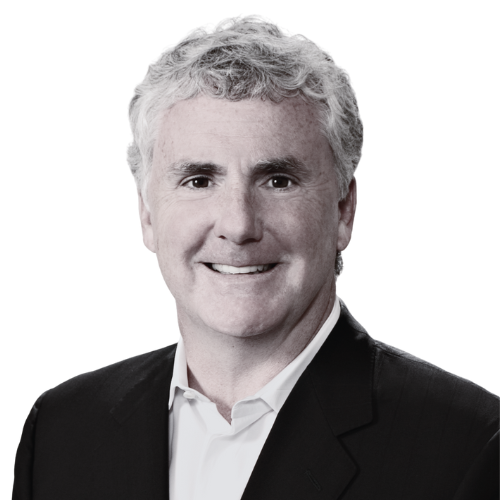
Philip Young is a proven CEO and Chairman with extensive experience leading public and private companies as an executive and a board member. A strategic leader in fundraising and corporate governance, he drives growth and innovation across industries. With over 30 years of expertise in biotech, he has guided drug research and development programs from discovery through clinical trials to successful commercialization for several companies. His leadership has delivered innovative therapies to market, advancing patient outcomes and shareholder value.
-
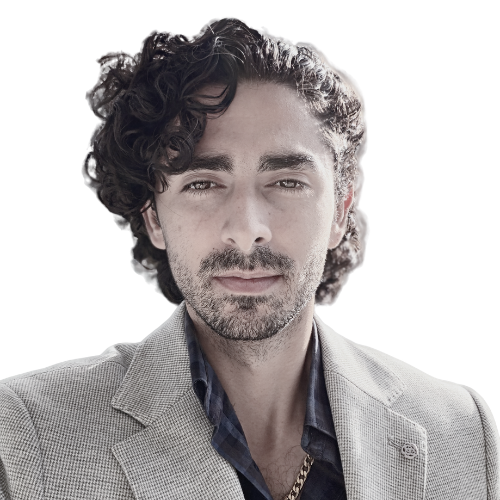
Dr. Kiyan Afzali is a molecular pharmacologist, drug discovery scientist, and biotechnology strategist with expertise in advanced methods for quantifying receptor activity. He brings a decade of experience leading translational research between academia and industry primarily focused on brain disorders.
He earned his PhD from The University of Sydney, where he developed the first small molecules targeting the oxytocin receptor for neuropsychiatric disorders. Further, he pioneered novel methods for determining system-independent drug activity, including intrinsic efficacy, functional affinity, receptor selectivity, biased agonism, and signalling kinetics. His work has led to multiple licensed patents, awards, a total of $282m in private investment, and the establishment and maturation of the clinical-stage biotechnology company Kinoxis Therapeutics, including a strategic partnership with the major global pharmaceutical company Boehringer Ingelheim.
Since then, Dr. Afzali partnered with several biotechnology companies.
He has served as a Scientific Consultant and National Ambassador for Montana Molecular, which develops fluorescent biosensors for measuring drug activity, and as Director for PharmAla Biotech Australia, which develops entactogens for treating neuropsychiatric disorders. With Five Discovery, his specialty encompasses drug discovery, analytical receptor pharmacology, translational strategy, and mechanistically differentiated therapeutics.

-
Dr. Lindsay Cameron is a pioneer in non-hallucinogenic neuroplastogen research and a leading authority on the cellular and circuit-level mechanisms of psychedelic-inspired therapeutics. Her groundbreaking study published in Nature established the scientific foundation for the field of non-hallucinogenic neuroplastogens, demonstrating that key neuroplastic effects of psychedelic compounds can be retained while dissociating hallucinogenic activity.
Her work has directly informed the development strategies of multiple companies advancing rapid-acting serotonergic therapeutics. Dr. Cameron’s research spans receptor pharmacology, synaptic plasticity, circuit dynamics, and rational compound design, positioning her at the forefront of next-generation neuroplastic drug development.
She completed her Ph.D. in the Olson Lab at UC Davis and is currently a Postdoctoral Scholar in the Malenka and Deisseroth laboratories at Stanford University, where she continues to investigate the mechanistic basis of psychedelic-inspired therapeutics.
At Five Discovery, Dr. Cameron leads molecular design and neuropharmacological strategy across the company’s neuroplastogen portfolio.
-
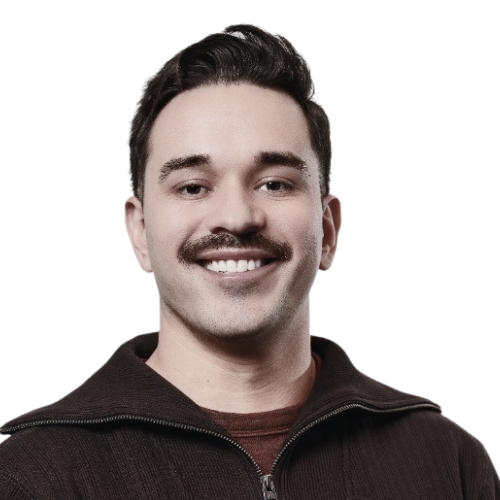
Angel Cobo is a synthetic organic chemist and drug discovery strategist with expertise in molecular design, synthetic methodology, and bioisostere approaches. As a Scientific Program Manager at Stanford University, he has spent over four years supporting translational research strategies across therapeutic areas including neurodegeneration, CNS disorders, and oncology.
Angel has led small-molecule drug discovery programs from hit identification, lead optimization and development candidate selection, integrating SAR, experimental design, and pharmacology data to inform program prioritization and advance lead series toward IND-enabling studies.
At Five Discoveries, Angel serves as an advisor supporting the preclinical development of FVE-001.
-
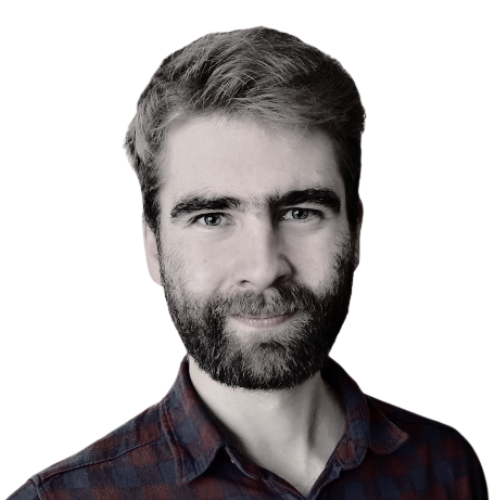
Pavol Tuna is a medicinal research chemist specializing in the design, synthesis, and optimization of tryptamine-based and related CNS-active small molecules. His work focuses on structure–activity relationships, scaffold modification, and rational compound development to enhance therapeutic efficacy while improving pharmacokinetic and safety profiles.
Pavol has deep expertise in the chemistry of serotonergic compounds, including 5-MeO-DMT and ibogaine-derived analogs. His experience spans synthetic strategy, analog library development, and translational collaboration with neuropharmacology teams to advance candidate selection.
-
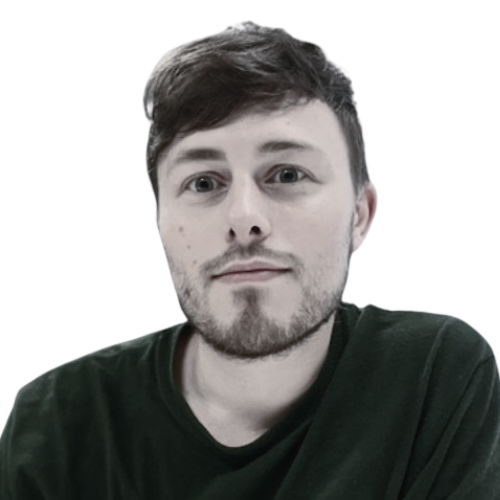
Josh Allen is a neuroscientist specializing in preclinical translational research at the intersection of neurodegeneration, brain injury, and serotonergic therapeutics. His work focuses on how psychedelics and related compounds modulate neuroinflammation, oxidative stress, neurotransmission, and neuroplasticity – core mechanisms underlying traumatic brain injury and neurodegenerative disease.
Dr. Allen has advanced our mechanistic understanding of how serotonergic and sigma-1 receptor engagement may promote neuroprotection, neuronal survival, and functional recovery following acquired brain injury. His research integrates receptor pharmacology, neurotrophic signaling pathways, and in vivo outcome measures relevant to both acute and chronic phases of neurological injury.
The Five Discovery team brings experience from leading research institutions and biotechnology organizations, including:



-
Sham Dholakia is a physician-executive and trained surgeon who has spent 20+ years turning science into approved products — and knows how to do it fast, lean, and at scale.
Most recently, Chief Product Officer at Kyverna Therapeutics (Nasdaq: KYTX), Sham owned the full lifecycle of the company's CAR-T pipeline across stiff person syndrome, lupus nephritis, and long-term follow-up, responsible for pivotal trials, regulatory strategy, manufacturing, and commercial planning simultaneously. He joined Kyverna as its first rare disease business unit head and was promoted to CPO within months.
Before Kyverna, Sham served as CMO of GEn1E Lifesciences, where he built and led the clinical organisation for an AI-native drug development platform with 21+ novel immunomodulators in its portfolio. Prior to that, as CMO of CareDx (Nasdaq: CDNA), he scaled the clinical team from the ground up to 60+ people, driving regulatory approvals, guideline adoption, and revenue growth for the company's transplant diagnostics franchise.
Sham is one of a rare breed of executives equally fluent in clinical medicine, AI/ML platform development, regulatory strategy (FDA, EMA), and capital formation — having contributed to public and private raises totalling $320M+. He has authored 100+ peer-reviewed papers and 300+ abstracts, holds a medical degree from Imperial College London (Palmar Scholar), and a DPhil in Surgical Science & Immunology from the University of Oxford. He trained as a vascular and transplant surgeon in the NHS for a decade and served in the British military.
Connect with Five Discovery
We are focused on changing what’s possible for people and families impacted by brain disease and injury. Sign up below for updates, connect about research collaboration, request media interviews, discuss investment, or share a patient/caregiver story.